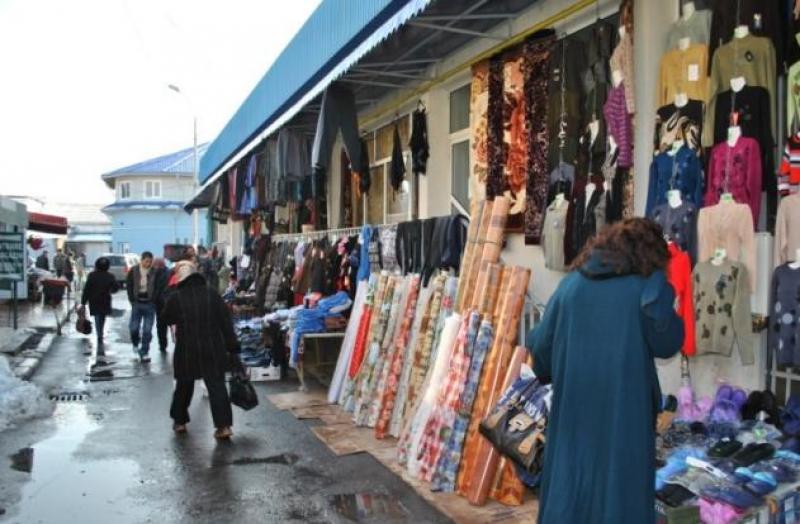
Complex Europa Bucuresti Program
Automatul DPD Complex Cosmopolis - Stefanestii de Jos. Europa, Cosmopolis Plaza. Automatul DPD Monaco Towers - Bucuresti. Complex europa bucuresti orar, informatii, adresa si telefon contact. Roberta flack best of rar.
Principal investigator: Ada Hajdu Senior researchers: Shona Kallestrup, Magdalena Kuninska Research assistant: Mihnea Mihail Host Institution: New Europe College - Institute for Advanced Study, Bucharest Our project proposes a fragmentary account of the art histories produced in present-day Poland, Hungary, Slovakia, Romania, Bulgaria and Serbia between 1850 and 1950, from an entangled histories perspective. We will look at the relationships between the art histories produced in these countries and the art histories produced in Western Europe. But, more importantly, we will investigate how the art histories written in the countries mentioned above resonate with each other, either proposing conflicting interpretations of the past, or ignoring uncomfortable competing discourses. We will investigate the art histories written between 1850 and 1950 because we are interested in how art history contributed to nation building discourses. Therefore, we will focus on those art histories that concur to nationalising the past. Our project is articulated around three crucial concepts – periodisation, style and influence – set in the context of relevant contemporary historiographies produced in Western Europe, and analysing the entanglements with competing historiographies in each of the countries considered.
We will focus on two main issues: 1. How did Central and Eastern European art historians adopt, adapt and respond to theoretical and methodological issues developed elsewhere, and 2.
What are the periodisations of art produced on the territory of Central and Eastern European countries; what are the theoretical and methodological strategies for conceptualising local styles; and how was the concept of influence used in establishing hierarchical relationships. Because Central and Eastern European art historians did not simply replicate or passively adopt theories and methodologies elaborated elsewhere, nor did they work independently of larger developments in the discipline, we will constantly relate their writings to the writings of other historians, from a non-hierarchical perspective. Researching the conceptualisation of a theoretical framework that would accommodate the artistic production of the past will show the difficulties in dealing with a complex reality without simplifying and essentializing it along ideological lines. Guru raghavendra vaibhava serial cast. The research will also show that the three concepts that we focus on are not neutral or strictly descriptive, and that their use in art history needs to be reconsidered. This research project focuses on an unjustly neglected corpus of sources, the fiscal accounts ( computi) of the castellanies, or basic administrative units, of late-medieval Savoy. It deploys a holistic model of analysis that can fully capitalise on the unusual wealth of detail of the Savoyard source material in order to illuminate key topics in late-medieval institutional and socioeconomic history, from the development of state institutions through administrative and fiscal reform – with particular attention to the transition from personal to institutional accountability – to the question of socioeconomic decline and recovery from the late-thirteenth to the late-fourteenth century.
More broadly, research into these topics aims to contribute to our understanding of the late-medieval origins of European modernity. The advances of pragmatic literacy, record-keeping, and auditing practices will be analysed with the aid of anthropological and social scientific theories of practice. By comparing the Savoyard computi with their sources of inspiration, from the Anglo-Norman pipe rolls to the Catalan fiscal records, the project aims to highlight the creative adaptation of imported administrative models, and thus to contribute to our knowledge of institutional transfers in European history. The project will develop an inclusive frame of analysis in which the computi will be read against the evidence from enfeoffment charters, castellany surveys ( extente), and the records of direct taxation ( subsidia).
The serial data will be analysed through a database; the findings of quantitative analysis will be verified by case studies of the individuals and families (many from the middle social strata) that surface in the fiscal records. The project will focus on a sample of castellanies from the heartland of the Savoyard principality, analysed by the Principal Investigator; two postdoctoral researchers will study the records of a few other castellanies from outside the bailiwick of Savoy as test cases for the Principal Investigator’s analysis.