Mount And Blade Peloponnesian War Download Free
Peloponnesian War, (431–404 bce), war fought between the two leading city-states in ancient Greece, Athens and Sparta. Each stood at the head of alliances that, between them, included nearly every Greek city-state.
The twilight saga all part 300mb hindi movies 2017. The Twilight Saga: Breaking Dawn - Part 2 2012 (Hindi Dubbed) Full Movie free Download 300mb 700mb 1GB 480p 720p 1080p in High Quality MkvCinema.in Hollywood HIndi Dubbed. The Twilight Saga Breaking Dawn Part 1 2011 Dual Audio Hindi English 480p BluRay 300MB. Watch Online The Twilight Saga: Breaking Dawn – Part 2 2012 Full English Movie In Hindi Dubbed Free Download 720P HD 300MB Small Size Via One Click High Speed Single Direct Links WorldFree4u.com Where Quality And Size Matters. Home >> 300MB Hollywood Hindi Dubbed >> Twilight Saga Breaking Dawn Part 2 Filmyzilla 2012 300MB Hindi Dual Audio 480p Filmywap Twilight Saga Breaking Dawn Part 2 Filmyzilla 2012 300MB Hindi Dual Audio 480p Filmywap. The Twilight Saga Breaking Dawn Part 2 Dual Audio 300MB 480P Breaking Dawn – Part 2 (Original Title: The Twilight Saga: Breaking Dawn – Part 2 ) is the second part of the film adaptation of Stephenie Meyer’s book Till (s) End of the Night and thus the fifth and final part of the Twilight movie series.
In the 5th century bc, two great city-states of Greece waged a decades-long war for dominance. At stake were contrasting approaches to war and peace. By Fred Eugene Ray The wars fought by Sparta and Athens in the fifth century bc pitted one city-state with ancient Greece’s greatest army against one boasting her most powerful fleet. Yet the Spartan and Athenian ways of war differed in far more than a simple preference for fighting on land rather than sea. In fact, the distinctive approaches that Sparta and Athens took to combat embraced a wide range of tactics, only a few of which were tied to their traditional divide at the shoreline. Gain new insight into the battle that brought the end of Napoleon’s rule in France. Get your copy of Warfare History Network’s FREE Special Report, The Spartan Way of War Military historians have tended to focus on the severe boyhood training regimen in Sparta (the agoge) and the potent combination of hardy physique and iron-willed martial philosophy it promoted.
But the Spartan way of war was not simply a matter of outstanding individual toughness, strength, or even weaponry skills. Superior tactics played key roles as well—discretion was often the better part of valor for Spartans.
They were adept at assessing battle odds and, should these not be to their liking, heading home without a fight. Despite its fierce image, Sparta had a more extensive record of dodging armed confrontations than any other Greek city-state. It was not unusual for Spartan commanders to turn back before crossing a hostile border if the omens were bad. And even on the brink of combat, they might still choose to avoid action. Spartan King Agis II (427-400 bc) once claimed that “Spartans do not ask how many the enemy are, only where they are,” but on at least four occasions he personally refused engagement with the enemy.
Spartan Advantages in Hoplite Warfare Classical Greeks fought in a dense linear formation or phalanx as armored spearmen known as hoplites. These hoplites were protected from their ankles up by greaves, cuirass, shield, and helmet as they stood close alongside each other in ranks that could be many hundreds of men wide. This allowed them to present a broad front that was hard to overlap. Spartan hoplite (c.500 BC), dressed with a Corinthian helmet, armour and greaves, armed with spear, sword and shield. But there was a limit to how thin a formation could be without falling into disorder.
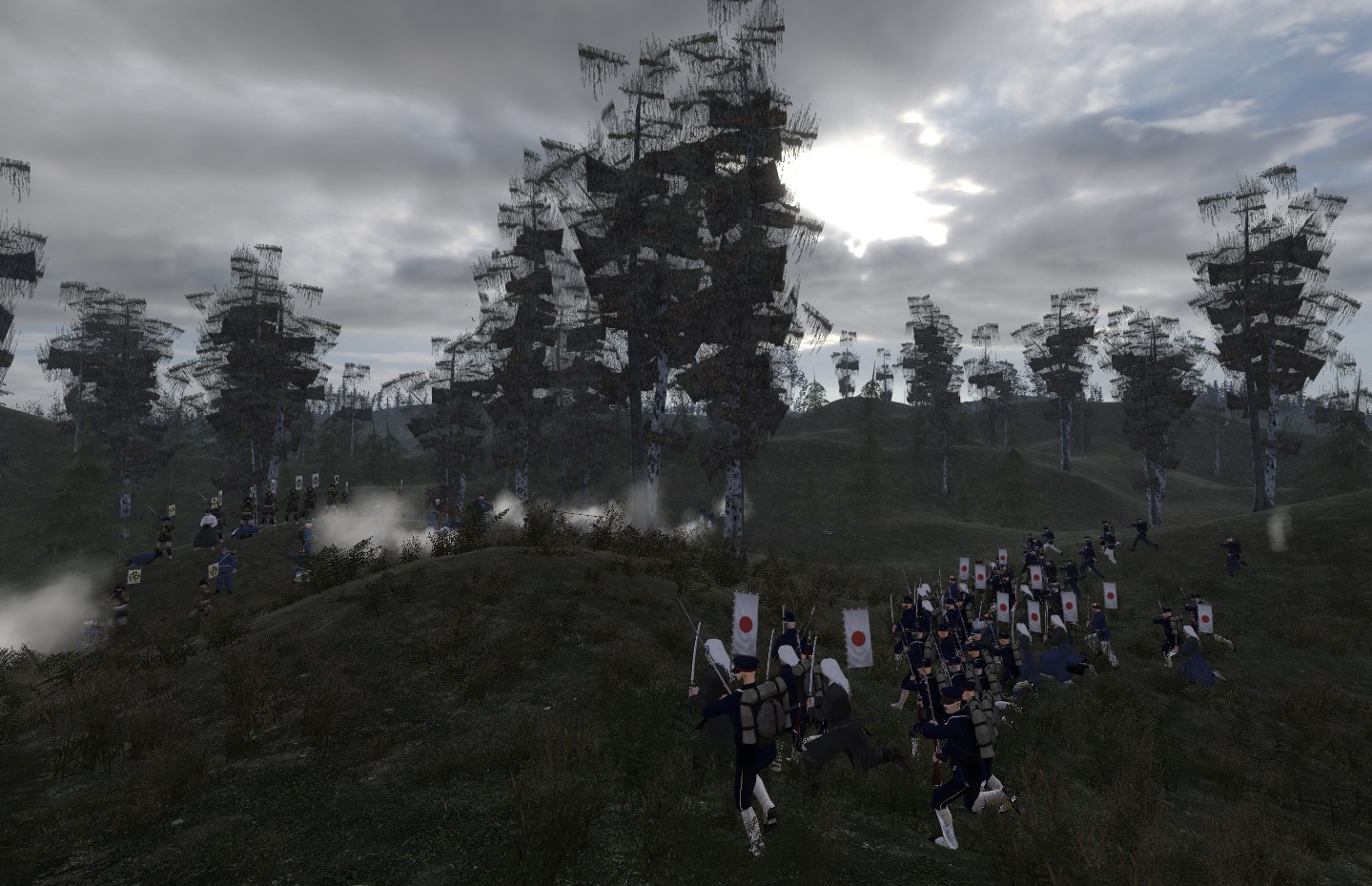
Thus, most Greeks tried to form a file at least eight men deep to accept battle. Spartans, however, could advance and maneuver effectively in files as slim as four men. Those in the first three ranks struck overhand with their spears at the enemy front, and the fourth rank joined rows two and three in pressing shields into the backs of their fellows in a concerted effort to shove through the opposition, a tactic called othismos. This ability to maneuver when short-handed yielded success several times, most famously against a much larger Arcadian army at Dipaea in 464 bc. Most Greek armies advanced with men shouting encouragement and issuing distinctive battle cries.
They would then rush the last few yards into close action. In contrast, Spartans moved forward slowly in measured steps to the sound of pipes and the rhythmic chanting of battle poetry. This allowed them to keep excellent order all the way into engagement. Moreover, the Spartans saw their opponents’ noisy rush as amateurish, signaling false bravado to suppress fear. Their own deliberate and disciplined pace was meant to set a tone of both overwhelming confidence and deadly menace.
So unnerving was this approach that many foes broke and ran before first contact. Hoplites followed a natural urge when marching into battle to edge closer to the man on their right. They did this to gain better cover from the shield held on his left arm. This tendency caused phalanxes to fade toward the right as they advanced and often resulted in a mutual overlap of formation flanks on opposite ends of the field.
The Spartans exploited this by deliberately exaggerating their own rightward movements. They would combine the movement with well-practiced wheeling by elite troops on their far right to curl around a foe’s left flank. Once enveloped, the encircled wing would break and run, causing the enemy phalanx to collapse.
Disciplined Spartan Battlefield Maneuvers Besides exploiting the common phenomenon of rightward drift, Spartans also used more unique schemes on the battlefield. King Agis once shifted units in his formation during an advance. To attempt this in the very face of the enemy suggests that Spartans considered such risky moves to be well within their capabilities. Athenian general Cleandridas defeated Italian tribesmen in 433 bc by hiding a contingent of hoplites behind his phalanx. This disguised his true strength and, once engaged, let him wheel his men against the enemy flank to trigger a rout. The most daring Spartan battle maneuver was to break off in the midst of combat and withdraw. All other Greek armies shunned this for fear of inviting disaster.